
Myopia, also called nearsightedness, makes distant objects look blurry while close-up vision may remain clear. For children, this can affect school, sports, confidence, and long-term eye health. If your child’s prescription keeps getting stronger, it may be time to look beyond standard glasses. At Contact Lens Institute of Colorado in Fort Collins, myopia management helps families take a more proactive approach to slowing myopia progression.
Many parents think of myopia as a simple prescription issue. When a child cannot see the board clearly, they get glasses or contacts, and the problem seems solved. While glasses correct blurry vision, they do not always slow the progression of myopia.
When myopia is left untreated beyond basic correction, the eye may continue to grow longer. This can lead to stronger prescriptions over time. For Fort Collins children, that may mean more frequent lens updates, more difficulty with distance vision, and a greater need for ongoing eye care as they grow.
Children with untreated or worsening myopia may struggle in ways that are easy to miss. They may squint to see the board, move closer to screens, avoid sports, or complain of headaches after visual tasks. Some children assume blurry distance vision is normal and may not tell parents what they are experiencing.
In the classroom, poor distance vision can affect focus and confidence. During sports or outdoor play in Fort Collins, a child with myopia may have trouble tracking a ball, recognizing teammates, or seeing clearly across a field. Clear vision matters for both learning and active daily life.
The concern with myopia is not only stronger glasses. Higher levels of myopia are associated with a greater risk of certain eye health problems later in life. As the eye becomes longer, it can place more strain on delicate internal structures.
This does not mean every child with myopia will develop serious eye disease. However, slowing progression during childhood may help reduce long-term risk. That is why myopia management is becoming an important part of modern pediatric eye care.
Parents in Fort Collins should schedule an eye exam if their child’s vision seems to be changing quickly or if their prescription has increased more than once.
Signs to watch for include:
These signs may indicate that your child needs more than a routine prescription update.
Myopia management focuses on slowing the progression of nearsightedness, not just correcting blurry vision. At Contact Lens Institute of Colorado, treatment options may include orthokeratology, MiSight 1 day contact lenses, and low-dose atropine, depending on the child’s age, prescription, eye health, and lifestyle.
Orthokeratology, often called Ortho-K, uses specially designed lenses worn overnight to gently reshape the cornea for clearer daytime vision. MiSight 1 day lenses are soft daily disposable contacts designed for children with myopia. Low-dose atropine may also be recommended in certain cases to help slow progression.
Myopia often progresses during childhood, which means early action can make a meaningful difference. Waiting until a prescription becomes much stronger can limit the opportunity to slow changes during the years when the eyes are still developing.
A myopia management consultation in Fort Collins can help determine your child’s risk level and whether treatment is appropriate. Your eye doctor can also monitor eye growth, update the plan as needed, and help your family understand what to expect over time.
Leaving myopia untreated can allow nearsightedness to progress without a clear plan. With the right care, parents can take a more informed approach to their child’s vision and long-term eye health.
Schedule your child’s myopia management consultation with Contact Lens Institute of Colorado at 5236 Strauss Cabin Rd., Fort Collins, CO 80528. Call (970) 594-9013 to book your appointment.
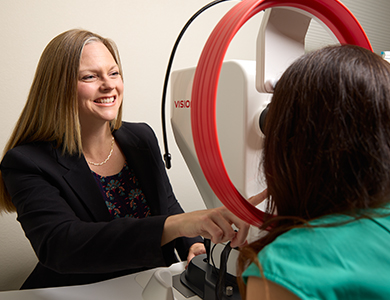
Discover personalized eye care excellence with our comprehensive services. From eye exams to advanced diagnostics, trust us for all your vision needs.
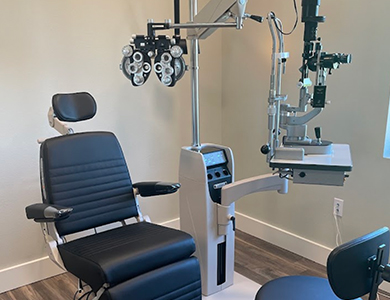
For non-urgent questions or to learn more about our services, contact us today!
© 2026 Contact Lens Institute of Colorado. All rights Reserved - Accessibility Statement - Privacy Policy - Sitemap
Managed and Designed by